Market Data
For many travellers, New Year’s Eve centres on fireworks, countdowns, and a toast at midnight. Across Latin America, particularly in the Andean region, the start of a new year carries deeper cultural meaning. It marks a time of renewal, balance, gratitude, and intention, shaped by Indigenous traditions that existed long before colonial rule.
In countries such as Peru, Bolivia, and Ecuador, New Year customs combine ancient Andean beliefs, local rituals, Catholic influence, and modern celebration. For visitors, these traditions offer insight into how communities connect time, nature, and spirituality.
Peru: Yellow Clothing and Honouring Pachamama
In Peru, New Year celebrations hold strong symbolic value, especially in Andean areas such as Cusco, the Sacred Valley, and communities near Machu Picchu. Hedder Quispe Puente de la Vega, founder of Machu Travel Peru, explains:
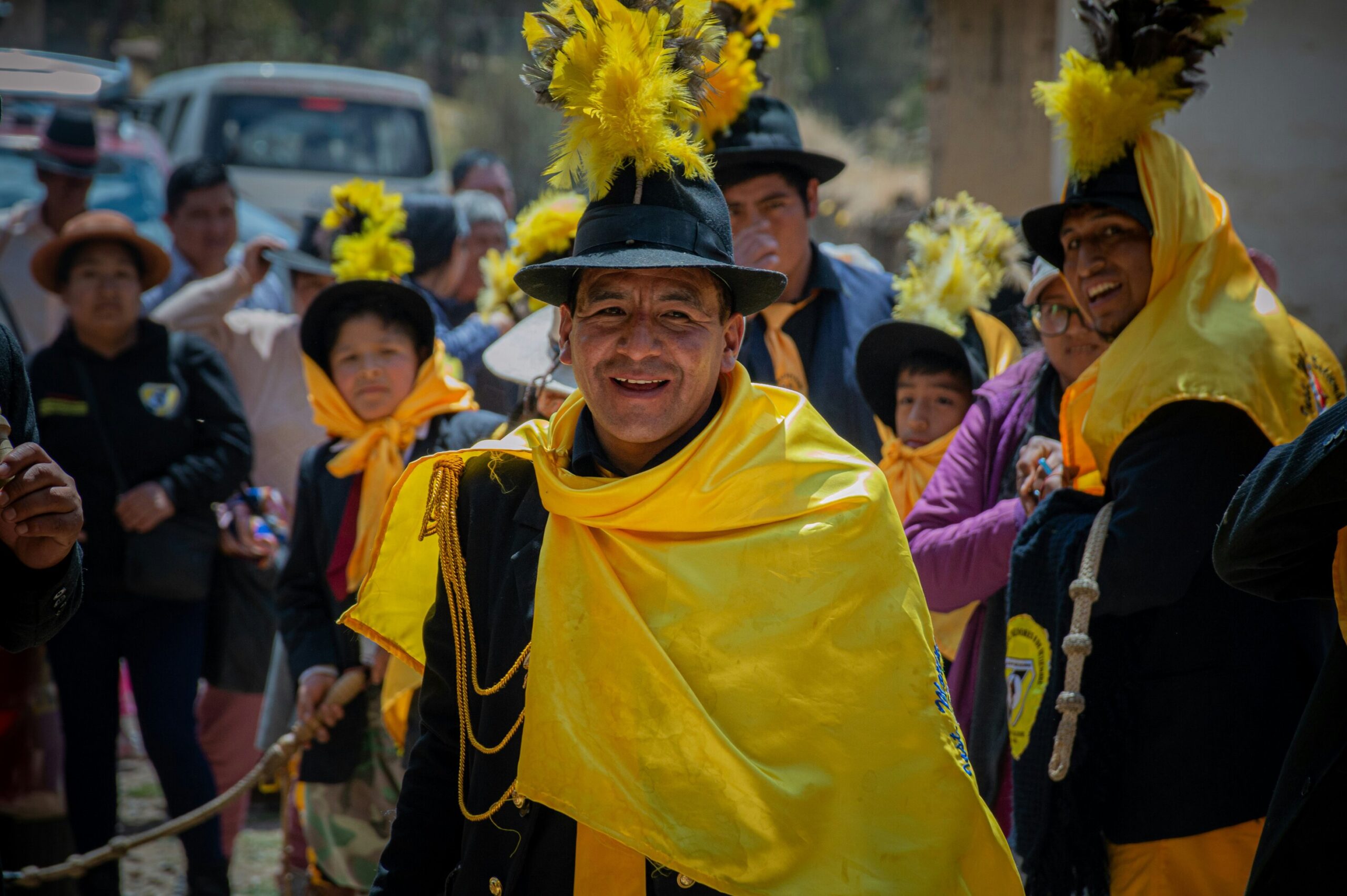
“In Peru, welcoming the new year is a deeply symbolic act of setting intentions. People wear yellow for prosperity and perform cleansing rituals with herbs and flower baths to release the old year’s energy. Many make offerings to Pachamama (or Mother earth”), to express gratitude and ask for harmony and protection.
In places like Cusco, these ancient practices blend seamlessly with modern celebrations, as families gather and shamans lead ceremonies at sacred sites.”
Bolivia: The Andean New Year and the Sun Cycle
While 31 December is widely observed, many Bolivians view the Andean New Year, known as Willka Kuti, as the true spiritual turning point. Celebrated during the June solstice, it marks the return of the sun and renewal of the natural cycle. At sites such as Tiwanaku, thousands gather to welcome the first light of the solstice. Hedder Quispe Puente de la Vega explains:
“The moment when the first rays of the solstice sun align with the temple gates at Tiwanaku is very spiritual. People raise their hands to physically receive the light, a gesture of hope and a request for balance and harmony with the universe for the coming cycle.
“This renewal is celebrated by indigenous communities in their finest traditional clothing, such as the iconic Cholitas with their vibrant skirts and shawls. They lead offerings to Pachamama and dance, creating a living bridge between ancient cosmology and contemporary life. Witnessing Willka Kuti is to understand that in the Andes, the new year is not just a date, but a relationship with the sun and the earth.”
Ecuador: Letting Go Through Fire and Satire
In Ecuador, New Year’s Eve features one of the region’s most visible traditions: the burning of Año Viejo effigies. These large figures often portray political figures, celebrities, or symbolic characters and represent the hardships of the past year. Hedder Quispe Puente de la Vega explains:
“In cities and towns, the night is marked by burning ‘Años Viejos’ or “old years”. These are large, satirical effigies often representing politicians, pop stars or celebrities. Families build these figures throughout December and then set them ablaze at midnight on new year in a purge of the old year’s troubles. Throughout the day men dress up in drag as widows or las viudas to mourn the bad year.”
Croatia: A Cold Start by the Sea
Outside Latin America, other regions also welcome the new year in distinctive ways. In Croatia, coastal traditions bring people together outdoors. Darijo Saric, founder of VIP Holiday Booker, explains:
“On New Year’s Day in Split, there’s a tradition for people to gather on Bačvice beach and play Picigin in the sea.
“Picigin is a local game where players in shallow water work together to keep a small ball in the air using only their hands. The air temperature is often around 10°C (50°F), and the sea is a little colder. It is certainly a bracing way to start the year.”
Together, these traditions show that for many cultures, the new year is less about spectacle and more about connection, reflection, and renewal—whether through ceremony, community, or shared ritual.